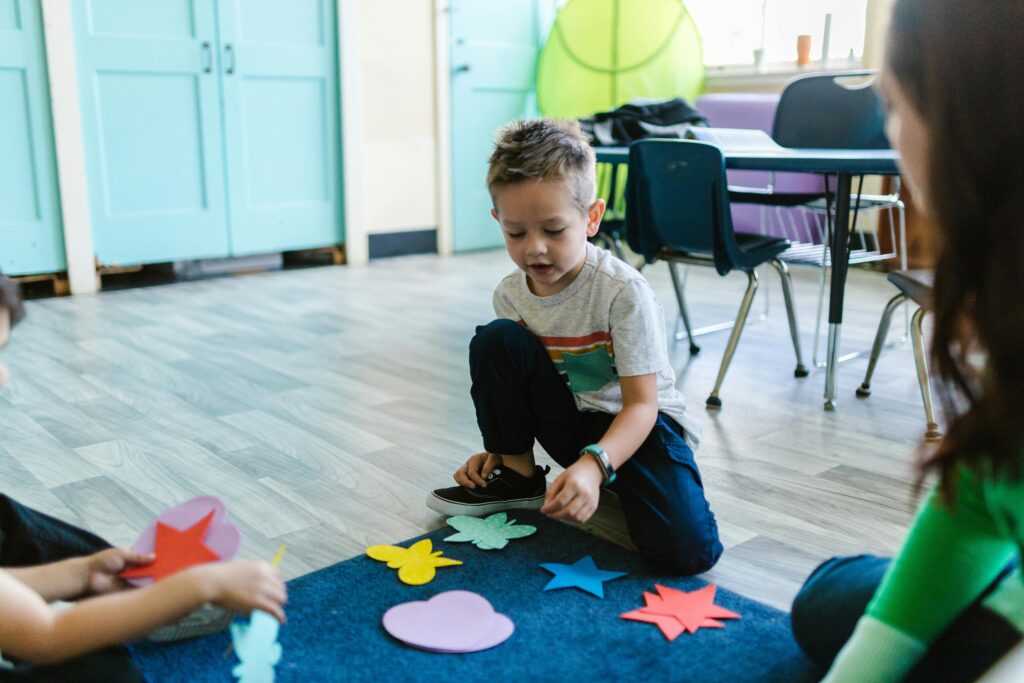
Navigating Inclusive Education: Practical Tips for Practitioners
Recent

From Guidance to Growth: The Power of Mentorship in Early Years Education
From Guidance to Growth: The Power of Mentorship in Early Years Education Home Recent November 6, 2025 | By Admin […]
The Role of Early Years Practitioners in Shaping Lifelong Learning
The Role of Early Years Practitioners in Shaping Lifelong Learning Home Recent November 6, 2025 | By Admin From Guidance […]
Inclusive education isn’t just a buzzword ,it’s a commitment to ensuring that every learner, regardless of ability, background, or need, has the opportunity to thrive. For educators and specialists, this means creating learning environments where every child feels valued, supported, and empowered.
At Compass Learning Arc, we believe that inclusive education is a journey, not a destination. It requires understanding, empathy, and practical strategies that put each learner at the heart of the classroom. Here are some actionable tips and insights to help practitioners navigate inclusive education effectively.
1. Understand Neurodiverse Needs
Children learn, process, and engage with the world in many different ways. Some may have autism, ADHD, dyslexia, or other learning differences that require tailored approaches.
Practical tips:
- Observe and document individual learning styles and behaviours.
- Adapt instructions using visual aids, simplified language, or hands-on activities.
- Collaborate with specialists, parents, and therapists to build consistent support strategies.
- Encourage self-expression ,giving children choices and autonomy in how they participate.
Understanding neurodiversity is the first step in creating an environment where all children feel capable and included.
2. Foster Empathy and Emotional Intelligence
Inclusive education is as much about social and emotional growth as it is about academics. Children who understand empathy are more likely to engage positively with peers of differing abilities.
Practical tips:
- Model empathetic behavior ,respond calmly, listen actively, and validate feelings.
- Create activities that promote collaboration and teamwork.
- Encourage children to celebrate differences rather than fear them.
- Teach conflict resolution and emotional regulation strategies.
When empathy becomes part of classroom culture, children naturally support each other, reducing isolation and increasing engagement.
3. Create Flexible Learning Environments
Rigid classroom structures can unintentionally exclude learners. Flexibility allows all children to participate fully.
Practical tips:
- Use a mix of group, individual, and one-on-one activities.
- Arrange the classroom to provide quiet spaces for focused work and open areas for collaboration.
- Offer varied ways to demonstrate learning ,oral presentations, visual projects, or hands-on demonstrations.
- Adjust schedules and pacing to accommodate different attention spans and energy levels.
Flexibility ensures every child can learn in a way that suits them best.
4. Collaborate with Families and Specialists
Parents, caregivers, and specialists have unique insights into a child’s needs. Engaging them strengthens inclusion efforts.
Practical tips:
- Maintain open, regular communication with families.
- Seek input from therapists, counselors, or inclusion coordinators.
- Include families in goal-setting and progress tracking.
- Share strategies that can be reinforced at home to provide consistency.
Collaboration builds a holistic support system that benefits both the child and the classroom environment.
5. Use Inclusive Language and Materials
Language shapes perceptions. Inclusive classrooms use words, stories, and visuals that reflect diversity and respect individuality.
Practical tips:
- Choose books and resources that feature diverse characters, abilities, and experiences.
- Avoid labels or deficit-focused language; emphasize strengths and potential.
- Encourage children to share their own experiences and perspectives.
- Incorporate multi-sensory materials to cater to different learning styles.
Inclusive materials not only educate but also validate each child’s identity and experience.
6. Reflect, Learn, and Adapt
Inclusive education is dynamic. What works for one child or group may need adjustment for another. Practitioners should continually reflect on their practice.
Practical tips:
- Conduct regular self-reflection and team discussions on teaching approaches.
- Seek feedback from children, families, and colleagues.
- Attend professional development sessions focused on inclusion, neurodiversity, and wellbeing.
- Keep up with research and innovations in inclusive pedagogy.
A reflective mindset ensures continuous improvement and sustainable positive outcomes.
Creating truly inclusive learning environments is both challenging and rewarding. It requires awareness, empathy, and deliberate action, but the impact is profound: children feel valued, educators feel confident, and communities become stronger.
At Compass Learning Arc, we are committed to supporting practitioners on this journey. Through targeted training, consultancy, and hands-on guidance, we help educators navigate inclusion, foster collaboration, and empower every child to reach their full potential.
Inclusion isn’t just a practice ,it’s a mindset. By understanding, adapting, and embracing diversity, we can ensure that every child’s learning journey is meaningful, supported, and inspiring.
Contact Us
Send Us a Message for Quick Assistance
If you have any questions or need assistance, don’t hesitate to contact us. Simply send us a message, and our team will respond promptly with the help you need. We are committed to offering reliable, friendly support, ensuring your needs are met efficiently and effectively.